BBC's top exec says editing blunder that sparked Trump's $10B lawsuit is ancient history
BBC deputy director says the broadcaster has fixed its editorial problems since the editing error that triggered Trump's $10 billion defamation lawsuit.
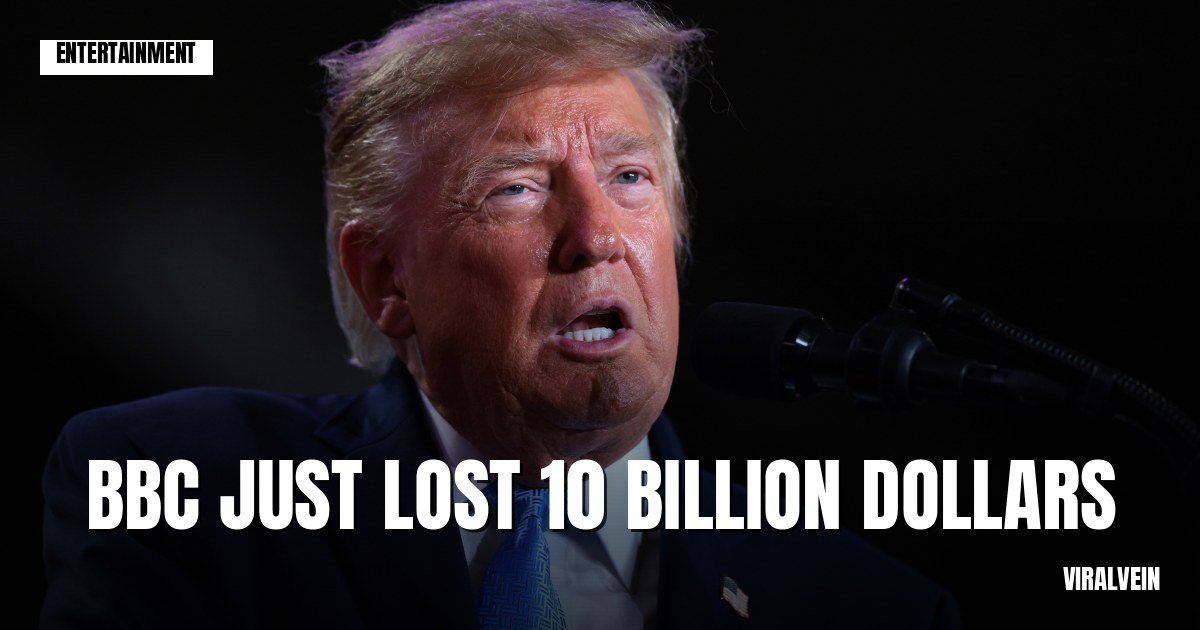
The BBC's deputy director-general came out swinging Tuesday, insisting the broadcaster has cleaned up its act since an editing mistake led Donald Trump to sue for $10 billion. Rhodri Talfan-Davies didn't mince words: things are different now.
The whole mess started with an episode of "Panorama," the BBC's long-running investigative program. An editing error in that episode became the spark that lit Trump's legal fuse. Talfan-Davies acknowledged there were actually two separate problems with how the BBC handled the situation—both stemming from the show's production and editorial process.
"A lot has changed since then," Talfan-Davies told reporters, which is pretty much what any corporation says after getting slapped with a nine-figure lawsuit. But he went further, claiming the broadcaster is now in a "much stronger place" when it comes to editorial standards and quality control. Translation: we've tightened the ship.
The timing here matters. Trump's presidency is back in full swing, and having a $10 billion defamation case hanging over the BBC—a publicly funded institution that already deals with constant scrutiny from politicians—isn't exactly ideal. Talfan-Davies's comments suggest the corporation is trying to signal that it takes these complaints seriously, even if the lawsuit itself remains pending.
What makes this tricky is that the BBC operates under intense pressure from multiple directions. It's supposed to be impartial and truthful, it's publicly funded, and it's become a favorite punching bag for politicians across the spectrum. An editing error that ends up in court is basically the worst-case scenario for a news organization.
Whether the changes Talfan-Davies is referencing will actually influence how courts look at the lawsuit is another question entirely. Legal cases move at their own pace, and a suit of this size could take years to resolve. Still, the BBC's insistence that it's improved its processes since the error occurred will probably form part of its defense strategy.
For now, the broadcaster is betting that saying "we've learned our lesson" and "we're better now" will help shore up its reputation with viewers and stakeholders alike.