Europe's heat crisis was predicted years ago. So why are politicians still acting shocked?
Europe's heatwave wasn't a surprise—scientists predicted it years ago. So why do politicians keep acting shocked? An expert breaks down what's really going on.
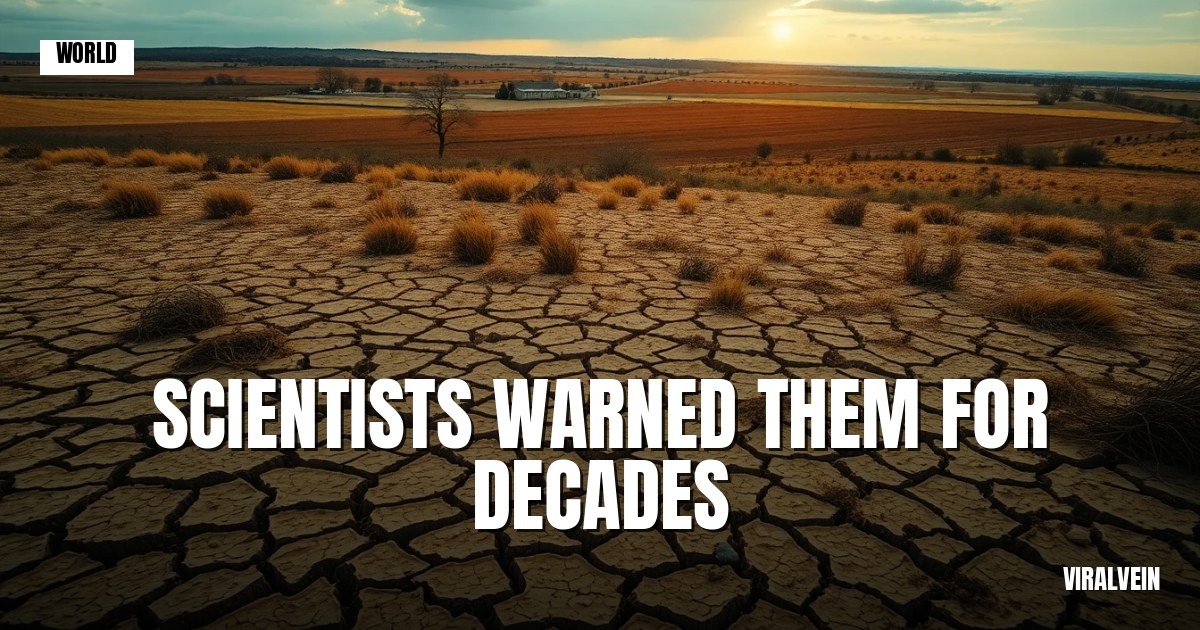
Ajit Niranjan, The Guardian's environment correspondent, spent the last week reporting on Europe's scorching heatwave. The question everyone's asking? Why does this keep catching governments off guard when scientists have been sounding the alarm for decades.
One reader nailed it: we've known this was coming. The warnings have been loud and clear for years. Yet somehow, when temperatures spike across the continent, politicians act blindsided. Niranjan gets the frustration. "I share your bewilderment," he says. But there's a wrinkle worth examining.
Europe's actually gotten better at not dying from extreme heat, weirdly enough. Back in 2003, a brutal heatwave killed around 70,000 people. If that same heatwave hit today? Scientists reckon deaths would drop by roughly 75%. Early warning systems help. Heat action plans help. People know when to stay inside now. It's not nothing.
Still, Niranjan points out a bigger puzzle. Climate denial's basically vanished—it's down to single digits across western Europe. Yet far-right parties that literally deny climate change are polling above 20% in most countries. The centre-right? They're actively trying to roll back climate targets. So it's not just Big Oil pulling strings behind closed doors, which is actually kind of worse.
The fix isn't as complicated as some make it out to be either. You don't need autocracy or corporate takeover to build a clean economy. Authoritarian countries are already installing wind and solar panels in developing nations. Publicly traded companies in democracies are getting government cash to strip carbon from cement. Cities are replacing car parks with bike lanes. People are eating less meat. None of that requires surrendering democracy or handing power to corporations.
The roadmaps exist. The tech exists. The question's always been whether we'll actually follow through, and that's got nothing to do with fossil fuel lobbying and everything to do with whether we're willing to choose something different.