Patreon's Jack Conte thinks social platforms are broken. He's building the fix.
Patreon's CEO thinks social platforms are broken. Here's how he's trying to fix it with discovery, direct connections, and real artists.
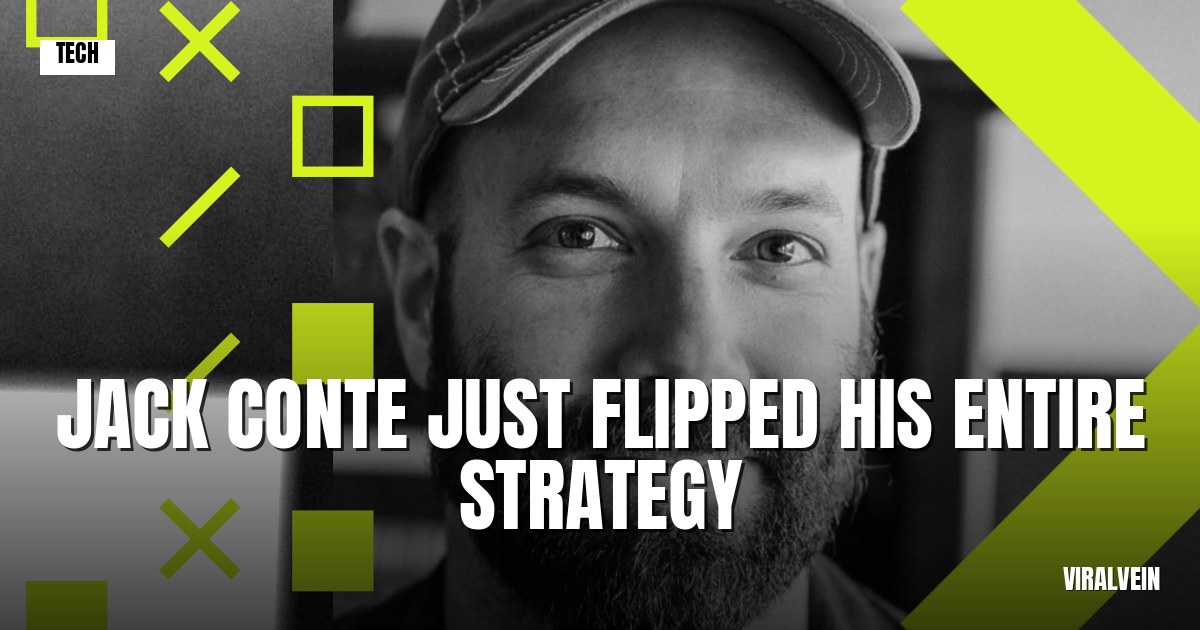
Jack Conte's been running Patreon for five years, and somewhere along the way, his entire vision for what the company should be just flipped. He used to think discovery was a bad idea. Now he's convinced it's the only thing standing between artists and total dependence on Meta and Google.
The shift happened because everything else fell apart first. TikTok's algorithm-obsessed. Instagram's drowning in AI garbage. YouTube's still YouTube. And somewhere in that chaos, creators realized they'd built their livelihoods on platforms that could disappear or change overnight without asking permission.
"The way platforms treat creators is disgusting," Conte said in a recent interview, and he wasn't being polite about it. He means it. Big tech companies keep taking creators' work — training AI on it, feeding it into their systems, profiting from it — and artists get nothing. So Patreon stopped being just a subscription tool. It became something weirder and more ambitious: Conte now describes it as "an index of small business media companies."
That sounds corporate until you realize what he's actually saying. He's building Patreon to compete with Instagram and TikTok, not just exist alongside them. Discovery features that he once opposed are now core to the platform. The reasoning's straightforward — if creators can't find new audiences on Patreon itself, they'll go back to the algorithm hellscape. They'll have no choice.
The bet is that people actually want something different. Not endless scrolling. Not AI-generated noise. Not the dopamine machine. Just real artists connecting with real people who actually care enough to pay them. It's a small thing, but in a world of cheap slop and engagement farms, it might be the only thing that matters.
Conte came into the conversation fired up, apparently. He even talked about how meetings should feel — something most CEOs won't touch. That kind of detail usually gets left on the cutting room floor, but this time it stayed. Says something about where his head's at.