Iran war's real cost: how bombing became just another Tuesday
Iran's ceasefire came, but months of strikes and threats had already done their damage. How war becomes normalized and people adjust to terror.
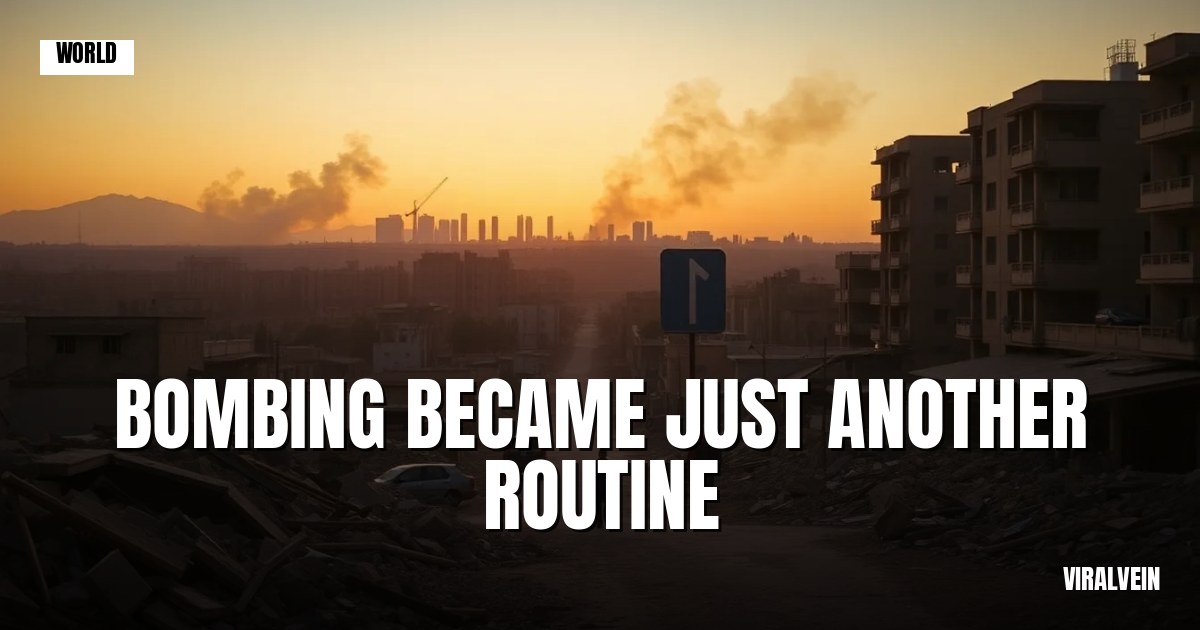
The ceasefire came through last week. Good. But here's what's worth sitting with: by the time it arrived, the constant strikes and counter-strikes had already worn down something crucial. Fear stopped being extraordinary. Death stopped being news. People in Iran just... adapted.
That's the thing about prolonged conflict that gets less attention than the headlines about new strikes. The shock wears off. A bombing becomes routine. You adjust your route to work. You keep your phone charged. You stop mentioning it to friends because everyone's living it. It's normalised, which is maybe the most insidious outcome of all.
Trump's been saying the war was ending since March. Forty times, give or take. Each time he'd declare victory or imminent peace, markets would twitch, then nothing would actually change. The strikes kept happening. Iran kept responding. Oil tankers got diverted around the Strait of Hormuz. Global supply chains hiccupped. Meanwhile, the people actually experiencing the conflict — not reading about it on Bloomberg — were just trying to get through their day.
Last week, Trump ordered fresh strikes, then casually mentioned wanting to seize Kharg Island (that's where 90% of Iran's oil gets exported from). Then he announced the whole thing was basically solved. No one knew whether to believe him. Why would they?
The real damage isn't even in the strikes themselves. It's in what happens between them. The waiting. The uncertainty. The way your body stays tense because you can't tell if today's the day something happens. That grinds people down in ways that don't show up neatly in casualty counts.
And yeah, we should be relieved there's a deal. But walking away from months of grinding, low-level warfare — where nothing ever seemed to fully resolve — you have to wonder about the people who lived through it. They didn't get to step back and analyse geopolitics. They just had to survive.